On a rainy day, the alleys of Hanok Village sound different right away.
Raindrops falling from the tile eaves spread in soft taps along the stone walls, and the smell of wet earth seeps deep into the lanes.
People with umbrellas politely step aside for each other in the narrow paths, and that scene feels like something you only see in this neighborhood.
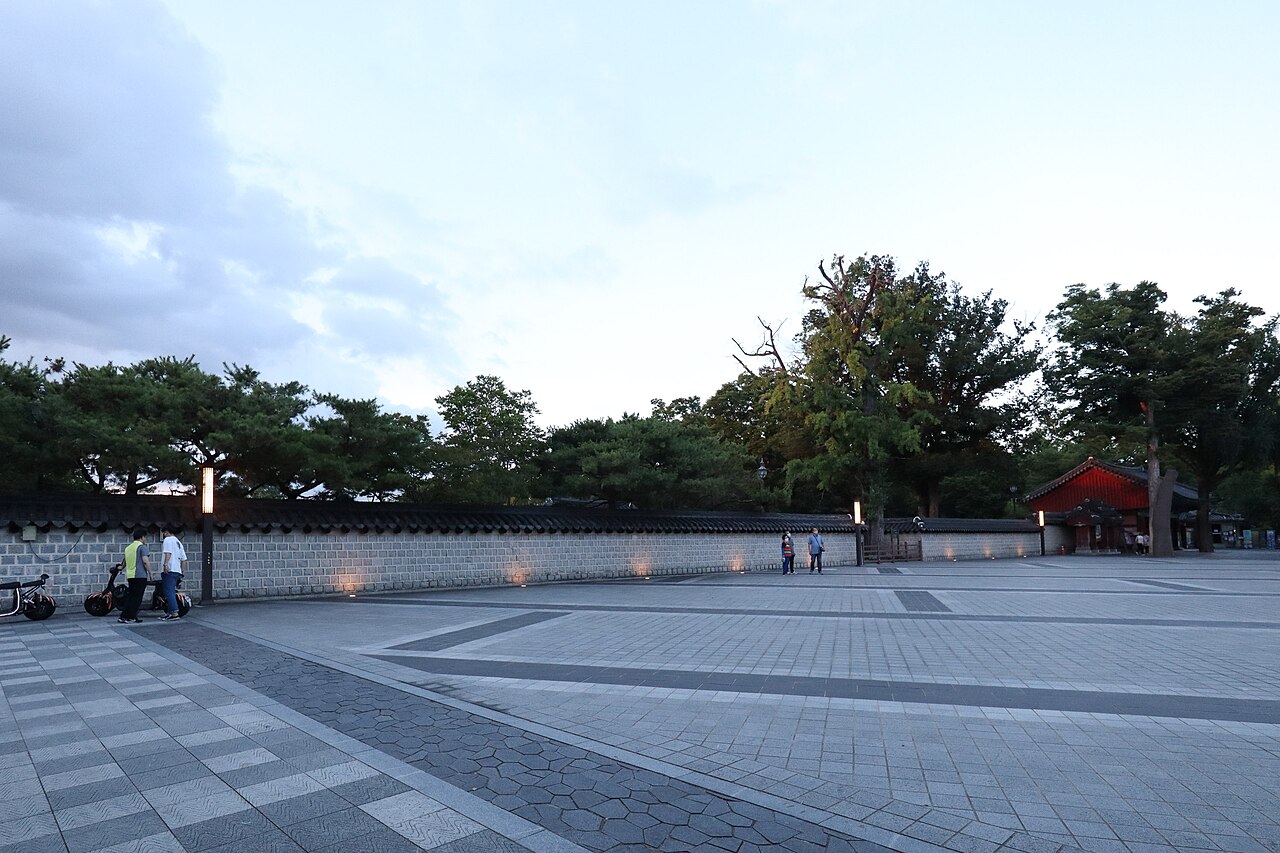
Honestly, when I first saw the rain forecast, I almost cancelled the plan.
But once I started walking, it felt calmer than it would on a sunny day, and I liked it more.
With fewer people around, taking photos was easier too.
In this post, I’ll share how I walked the Jeonju Hanok Village day course, in the same order I did that day, and how to plan it so you don’t get worn out.
I’ve covered where to start, when to eat lunch, and which spots still work well if it rains.
Plan the Jeonju Hanok Village day trip by route first
On a map, Hanok Village looks small, but once you walk it, it’s bigger than you’d expect.
Every alley has something to see, so if you wander wherever you like, you’ll pass the same street two or three times.
That’s why it’s easier to set the main route first and walk from there.
The order I followed was this:
– Morning: Visit Gyeonggijeon Shrine and Jeondong Catholic Church
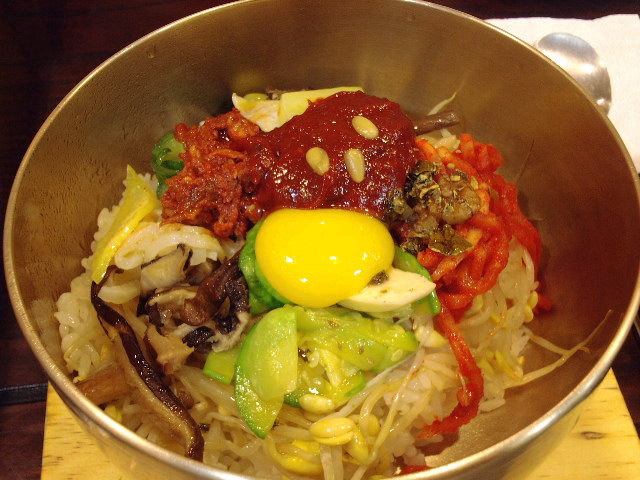
– Lunch: A Jeonju-style meal, such as bibimbap or kongnamul gukbap (soup rice with bean sprouts)
– Afternoon: Stroll the alleys, try a craft workshop or hanbok experience, and rest at a cafe
– Around sunset: Head up toward Omokdae to see the hanok rooftops
How long it takes depends a lot on your walking pace and how often you stop to rest.
As far as I know, even at a relaxed pace, all of this fits comfortably into one day.
Q. Can you see Hanok Village in half a day?
A. If you focus on the highlights, such as Gyeonggijeon and Jeondong Catholic Church, half a day works.
Adding experiences and cafes makes the day much more relaxed.
Morning: starting at the heart of Jeonju Hanok Village, Gyeonggijeon and Jeondong
I started the morning at Gyeonggijeon Shrine.
On a rainy day, the stone paving in the courtyard had darkened from the wet, and I thought it looked lovely.
Rain sounded low through the trees, and the place barely felt like a busy tourist site.
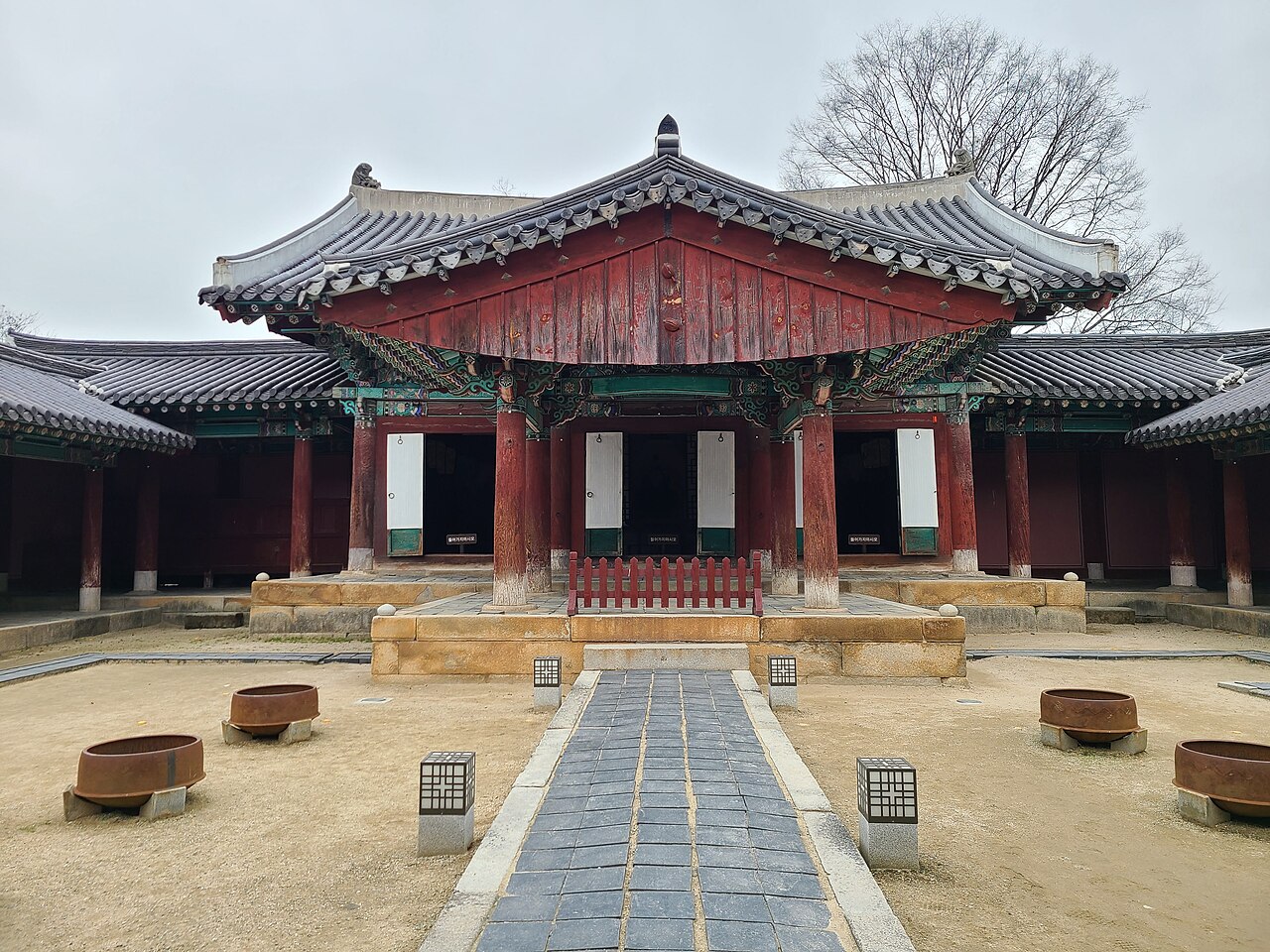
> On a rainy day, Gyeonggijeon is a place where your steps naturally slow down.
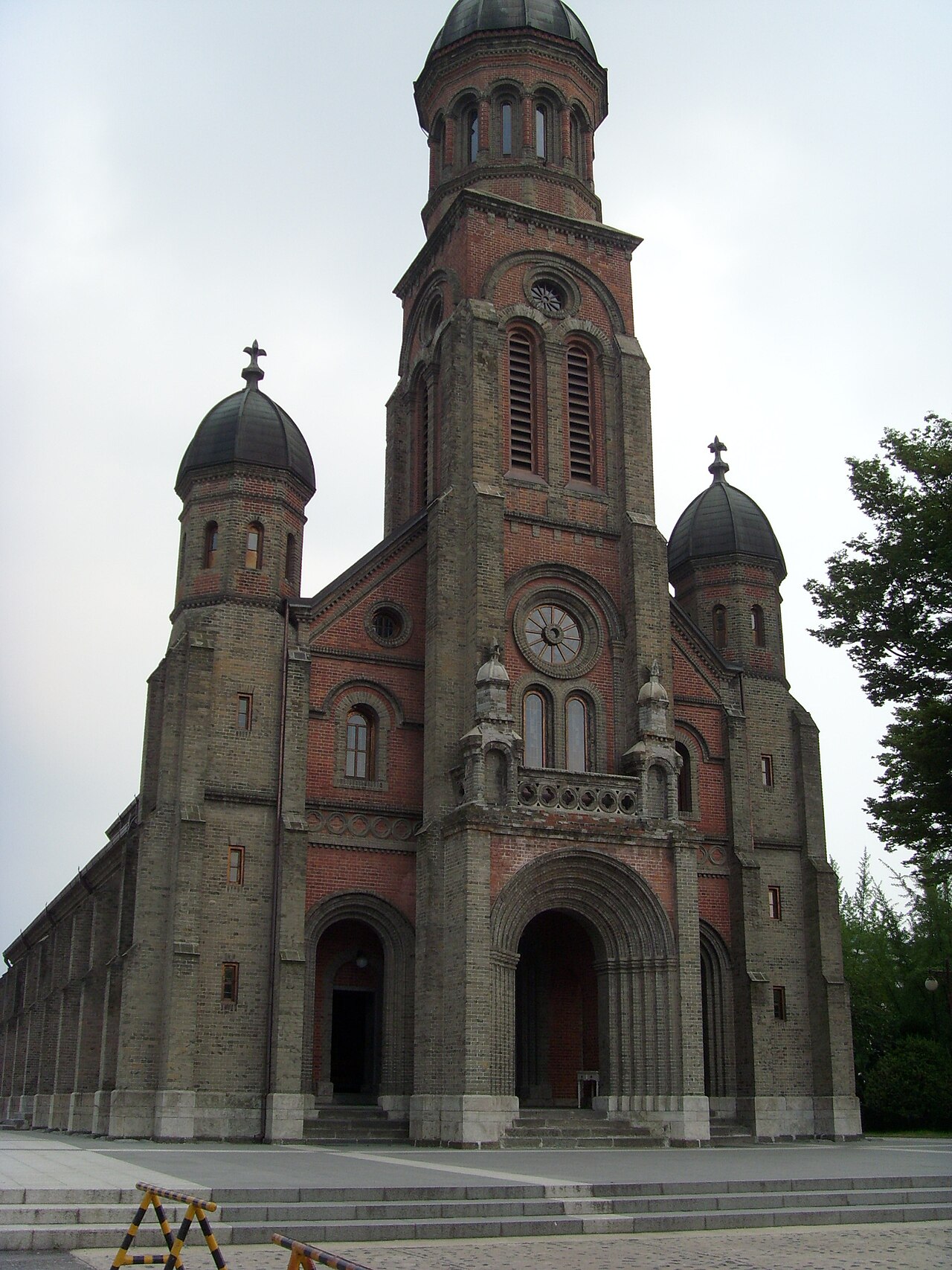
Just a short walk from Gyeonggijeon, you’ll reach Jeondong Catholic Church.
Its red brick and round roof looked even deeper in color once they were wet with rain.
Whether you can go inside depends on mass and event schedules, so if you want to see the interior, it’s worth checking before you visit.
I won’t list admission fees or opening hours here, since they can change.
For accurate details, please check the official information or Naver before you go.
Useful things to know for the morning course
– A folding umbrella works better than a large one. It’s easy to bump into things in narrow alleys.
– Stone paving can be slippery when wet, so shoes with firm soles are more comfortable.
– If you start early in the morning, it’s much easier to avoid the lunch rush.
Lunch and afternoon: between alley walks and experiences
When you visit Hanok Village, you’ll naturally want to try a Jeonju-style meal.
I went into a restaurant before 12 p.m., and many places fill up with waiting lines once the lunch hour begins.
Popular restaurants get busy, so I’d recommend aiming for a slightly earlier lunch.
⭐ 4.9 · 10-min walk to Jeonju Hanok Village
Nosong Mansion · Villa · Village
After lunch, I took a slow walk through the alleys.
Following the stone walls, you’ll find craft studios, small shops, and hanok cafes one after another. On a rainy day, they’re also good for pausing under the eaves for a bit.
Street snacks are surprisingly awkward to eat while holding an umbrella, so I ate mine inside a shop with seating.
Q. Are there indoor places to rest in Hanok Village on a rainy day?
A. Hanok cafes and restaurants are scattered throughout the alleys.
Closing days and hours vary by shop, so it’s convenient to check Naver before you go.
A hanbok experience is also a popular activity in Hanok Village.
On a rainy day, though, the hem of a hanbok can easily get wet, which can be disappointing.
How the experience works and the rental prices differ by provider, so for accurate information, it’s best to check each provider’s details before your visit rather than rely on my summary.
I should also mention one drawback.
On weekends and holidays, the alleys get really crowded, and walking around can feel like work.
It was relaxed that day because it was a weekday rainy day, but on busy days, I’d suggest cutting this route by about half.
Around sunset: looking over the Hanok Village rooftops from Omokdae
The last stop was Omokdae.
From the entrance of Hanok Village, it’s a short climb up a slight hill, and once you’re at the top and look down, the tile roofs stretch out like waves.
As the rain eased, a golden-orange glow seeped through the clouds, and I stood there quietly for a long while.
> I can’t think of a better place to end a day in Hanok Village.
If you still have time before dinner, you can continue toward Pungnammun Gate and Nambu Market.
Market shop hours and night market schedules change by season, so it’s a good idea to check before you go.
Practical info at a glance
– Location: Hanok Village area in Wansan-gu, Jeonju, centered on Gyeonggijeon and Jeondong Catholic Church
– Getting around: Walking is the easiest way to get around inside Hanok Village
– Time needed: A relaxed pace fits well into a one-day course
– Nearby spots to add: Pungnammun Gate, Nambu Market
– Things to check: Admission fees, opening hours, and closing days, on official information or Naver before you go
Q. What time should a one-day Hanok Village course start?
A. Starting at Gyeonggijeon around 10 a.m. lets you avoid the lunch rush and finish at Omokdae by sunset without rushing.
Leftover tips and wrap-up after the day
After walking all day, Hanok Village felt less like a place to see a lot and more like a place to linger.
If you try to photograph everything, you’ll just get tired. Choosing four pieces, Gyeonggijeon, lunch, the alleys, and Omokdae, makes the day much more comfortable.
– Wear comfortable shoes, and on rainy days, bring waterproof ones
– Cards are more convenient than cash, but check the payment methods at small shops
– A power bank helps with battery worries, since map apps and taking photos drain your phone quickly
Next time, I’d like to walk it again at sunset on a clear day.
If this course was helpful, feel free to save it and bring it out the next time you visit Jeonju.
If you have your own Hanok Village route or a favorite alley, please share it in the comments.
Questions worth knowing in advance
Q. What’s the most comfortable order for a one-day Jeonju Hanok Village course?
A. Gyeonggijeon and Jeondong Catholic Church in the morning, a Jeonju-style meal at lunch, alley walks and experiences in the afternoon, and Omokdae at sunset flow naturally from one to the next.
Q. Is Hanok Village worth visiting on a rainy day?
A. It was calmer and less crowded, so I could walk at a relaxed pace.
Still, the stone paving can be slippery, so bring good shoes and a folding umbrella.
Q. Where can I check admission fees and opening hours?
A. Since they change often, the most accurate option is to check the latest official information or Naver before you visit.
Q. Can I add a market to a one-day Hanok Village course?
A. If you have time after Omokdae, you can continue on to Pungnammun Gate and Nambu Market.
Please check their operating days and hours in advance.
The short version
A one-day Jeonju Hanok Village course feels easiest in this order: Gyeonggijeon and Jeondong Catholic Church in the morning, lunch, alley walks and experiences in the afternoon, and Omokdae at sunset.
On a rainy day it’s quiet, but slippery paths and wet hanbok hems are the downsides. Check fees and hours with official information before you go.