It was an afternoon where the savory scent of sesame oil and the rich aroma of broth subtly drifted through every alley, amidst raindrops tapping against the ends of the eaves. 🌧️ Beneath the low-hanging gray clouds, the wet Hanok tile roofs took on an unusually deep, ink-black hue. On days like this, thoughts of Jeonju’s iconic foods naturally make footsteps quicken in anticipation.
Many of you probably wonder where to pick up your spoon first. Since there are so many famous dishes, even choosing meal by meal turns out to be quite a serious decision. Let’s unfold step-by-step the warmth of the alleys and the expressions of the dining tables encountered while walking around in person.
A Neat Bowl of Namul and a Clear, Comforting Bowl of Gukbap
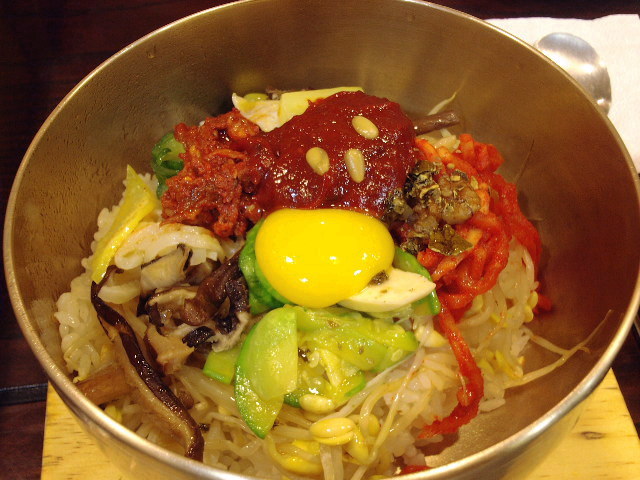
Jeonju was designated as a UNESCO Creative City of Gastronomy back in 2012, making it a region where special care and devotion are imbued into every single dish. At the center of it all sits Jeonju Bibimbap, neatly topped with colorful seasonal namul (seasoned herbs) and garnishes. 🍚
> Looking at the five-colored garnishes served in a brass bowl evokes such a neat touch of care that it almost feels a shame to mix it up.
Bibimbap can be easily found everywhere throughout Jeonju, but the blend of namul and the depth of the gochujang (chili paste) differ slightly from restaurant to restaurant, making it lots of fun to pick and choose.
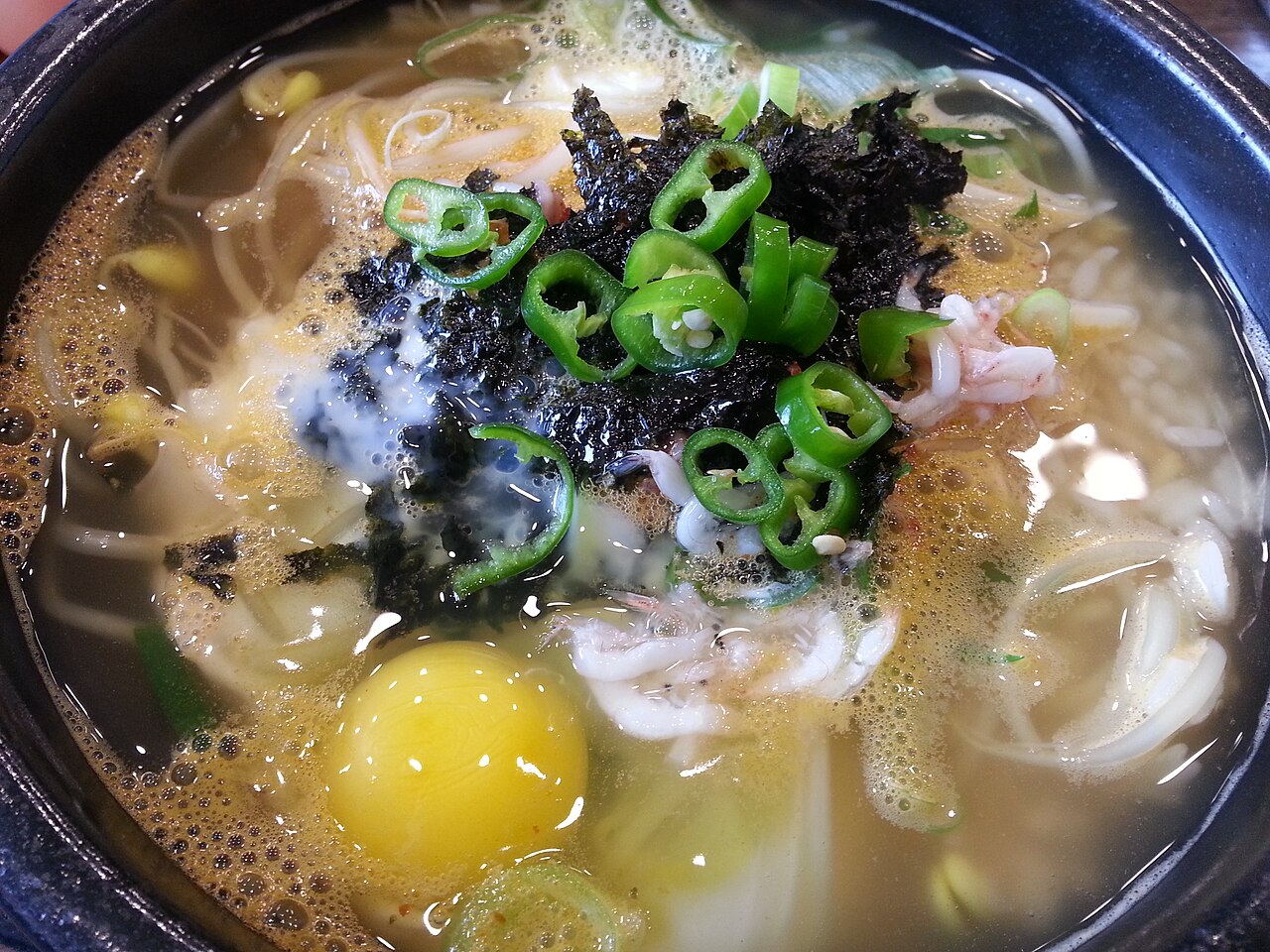
How about heading over to the Nambu Market alley around breakfast or a late lunch to encounter Jeonju Kongnamul-gukbap (Bean Sprout Soup)? Jeonju’s bean sprout soup is divided into the style of boiling it vigorously, and the Nambu Market style, which is the *tolyeom* method of warming the rice by pouring the broth over it multiple times. 🥣
The Nambu Market style has a broth that isn’t overly hot, making it wonderful to immediately savor the clear, refreshing taste of the broth itself. They usually serve a lightly poached suran (poached egg) in a small separate bowl; if you try adding three spoonfuls of warm broth and some seaweed flakes to this and eat it first, your stomach will feel remarkably settled and comforted.
Q. Should the suran served with Jeonju Kongnamul-gukbap be put directly into the earthenware pot?
A. It depends on personal preference, but putting it into the earthenware pot can usually make the clear broth cloudy, so we often recommend ladling three spoonfuls of the broth into the suran bowl to enjoy it separately.
By Day at the Traditional Market Next to Pungnammun Gate, by Night in the Charm of the Alleys
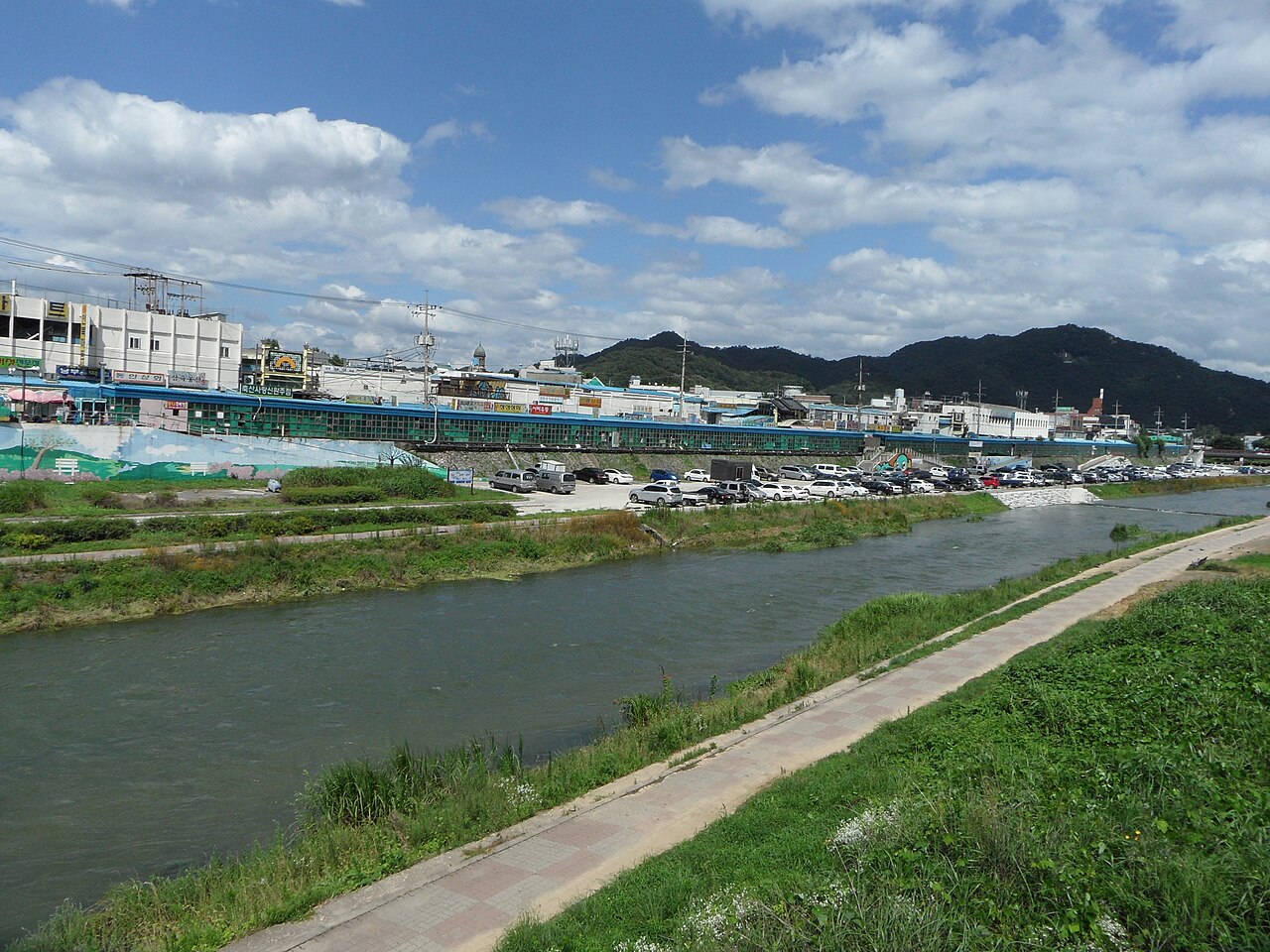
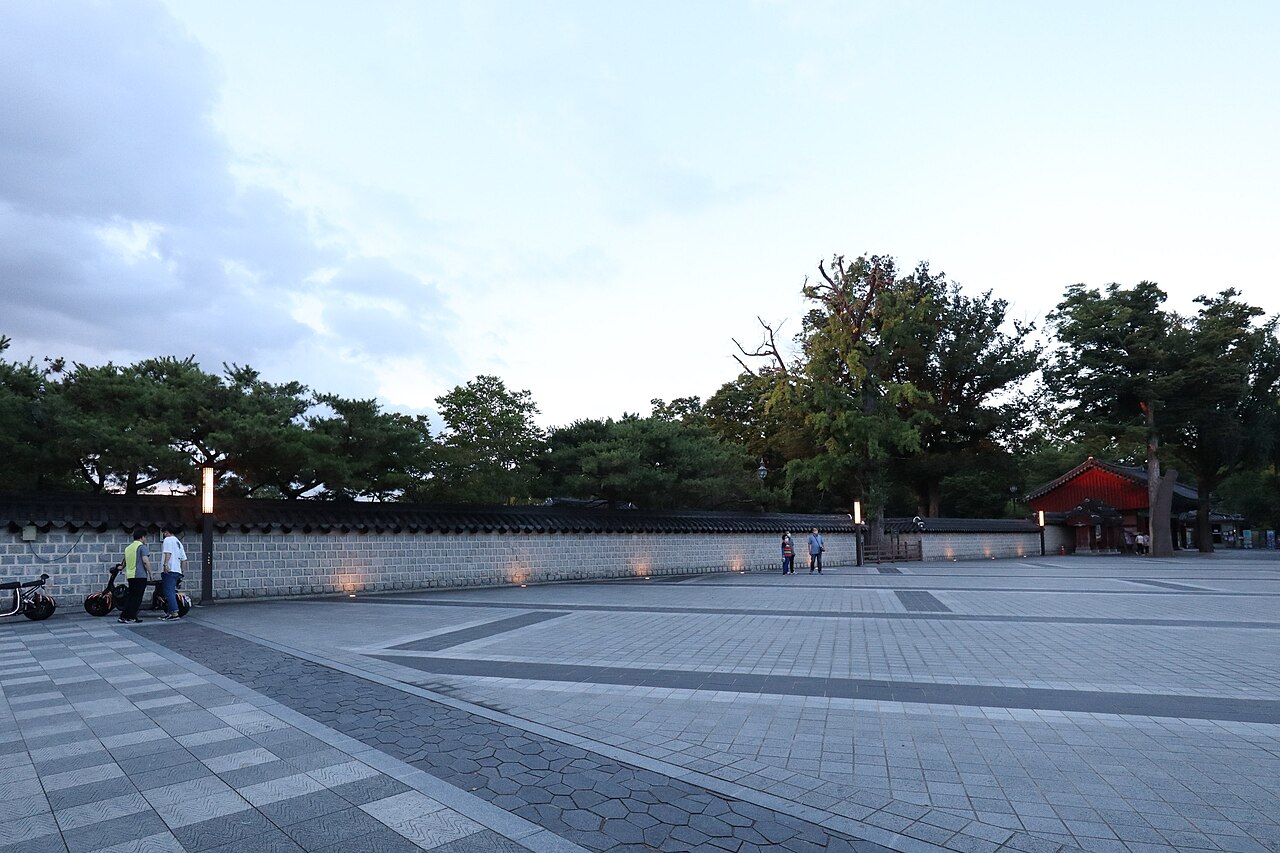
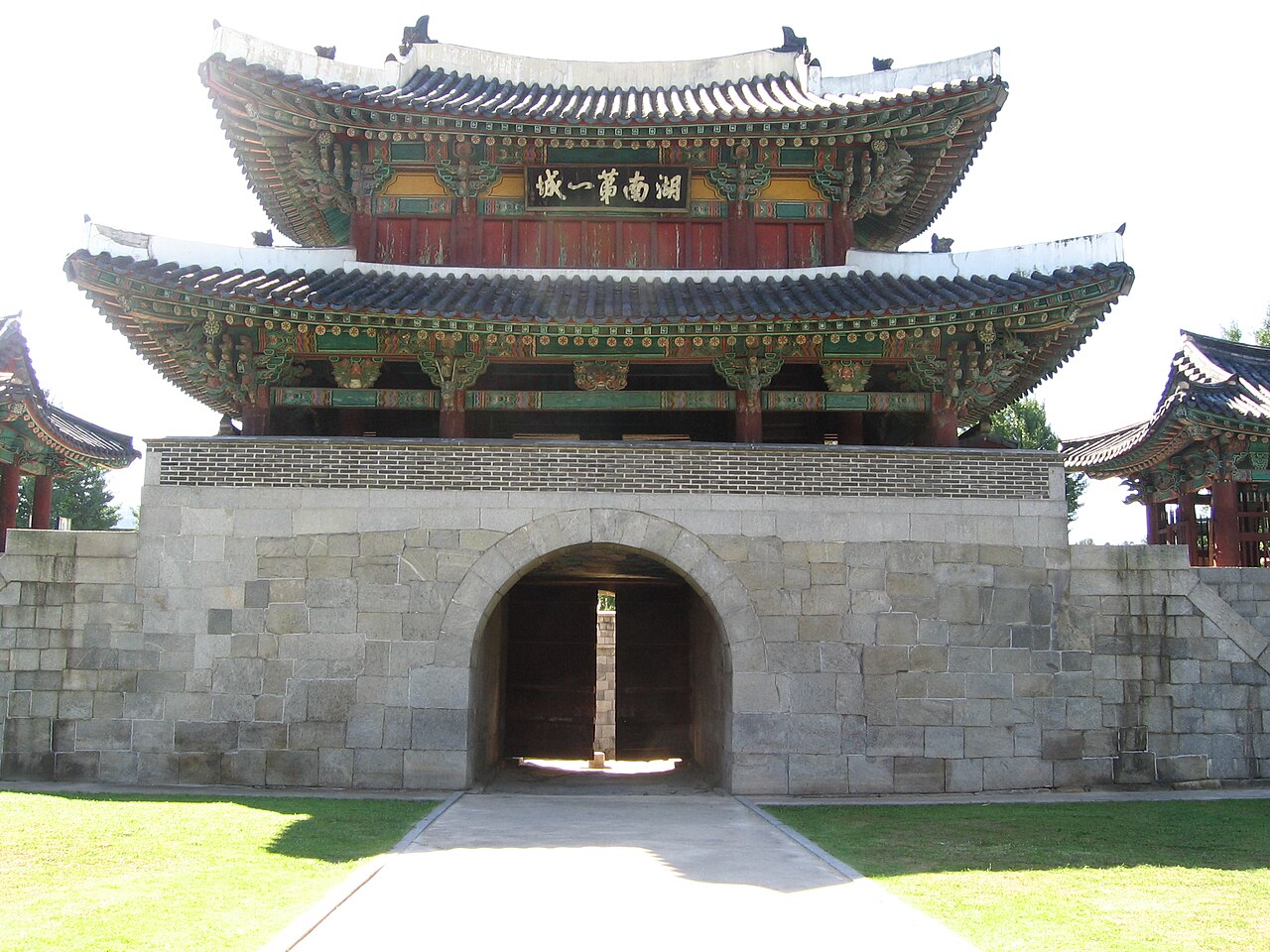
Right next to Pungnammun Gate, which you can reach with a leisurely walk from Hanok Village, sits the historic Nambu Market. Step inside the market, and bean sprout soup restaurants and *pisundae* (blood sausage) restaurants line up alongside the lively voices of the vendors.
Stepping past the rustic and cozy market alleys on the 1st floor and lightly stepping up the stairs to the 2nd floor reveals a charming Youth Mall run by young vendors. 🎨 The scenery of cute workshops, novelty shops, and small tea houses clustered closely together near the rooftop of the old market building is truly unique.
As dusk falls, it’s time to go experience Jeonju’s unique drinking culture. Jeonju Makgeolli Alley, formed in the Samcheon-dong and Seosin-dong areas, has maintained a unique tradition where every time you order a kettle of makgeolli (rice wine), an array of side dishes comes out that seems heavy enough to bend the table legs. 🍶
> Taking a sip of clear makgeolli and tasting the arranged side dishes one by one naturally conveys Jeonju’s generous hospitality.
Because new side dishes keep appearing every time a kettle is added, it is an endlessly wonderful space to sit around in a circle with a group and chat. However, if you go alone or as a pair, there might be too much food left over which can be a bit disappointing, so it’s better to go with an empty stomach.
If you want to feel a lighter and more casual neighborhood vibe, we recommend the ‘Gamaek’ (store beer) culture, where you enjoy beer and dried snacks at a neighborhood convenience store or small local mart. 🍺 It’s short for store beer, and when you pair crisply grilled dried pollock with a special soy-mayonnaise sauce made with each store’s secret recipe, you’ll feel the fatigue of the day melting away. In the summer, the Gamaek Festival is sometimes held, but since conditions change every year, it’s a good idea to check the festival schedule before visiting.
Q. What kind of side dishes are mostly eaten at Gamaek pubs?
A. Crispy pounded and grilled dried pollock (*hwangtae-gui*) or *meoktae* are the most representative, often enjoyed with beer while dipping them in a sweet and spicy Cheongyang pepper soy sauce.
A Well-Packed One-Day Walking Itinerary for Jeonju Food and Practical Guide
Let’s briefly outline a recommended one-day flow that is great to explore on foot so your route doesn’t get tangled.
– Breakfast & Lunch: Clear out a refreshing bowl of bean sprout soup at Nambu Market
– Daytime Walk: Check out the 2nd-floor Youth Mall workshops at Nambu Market and take a light stroll around Pungnammun Gate
– Late Afternoon: Heartily taste Jeonju Bibimbap and walk along the Hanok Village stone-wall paths
– Dinner: Taste kettle makgeolli and abundant side dishes at the Samcheon-dong Jeonju Makgeolli Alley
– Night Wrap-up: Have a cold beer with crispy grilled dried pollock at a Gamaek pub in the alleys
We’ve also briefly summarized practical information that will be helpful to keep in mind during your stay.
– Location Guide: Bibimbap and Gamaek pubs are distributed all over downtown Jeonju, while the makgeolli alleys are well-known around Samcheon-dong and Seosin-dong.
– Getting to Nambu Market: Located right next to Pungnammun Gate (Jeon-dong), making it easy to travel on foot from Hanok Village.
– Parking: You can use the traditional market public parking lot or nearby paid parking lots, but weekends can be crowded.
– Expenses: Prices for menus and adding kettles vary by restaurant, so checking the on-site menu board is recommended.
– Exploration Time: It’s comfortable to allow about 1 to 2 hours for Nambu Market and the Youth Mall, and around 2 hours for the evening alley exploration.
– Check Tips: Event schedules such as the operating days and hours of Nambu Market Night Market and the Gamaek Festival can change seasonally, so be sure to check official guides or portal information before visiting.
⭐ 4.9 · 10-min walk to Jeonju Hanok Village
Nosong Mansion · Villa · Village
Q. Can we cover all these routes using public transportation too?
A. Nambu Market, Bibimbap restaurants, and the Pungnammun Gate area are easily connected on foot, while places like Jeonju Makgeolli Alley can be easily reached by city bus or taxi.
Following the scents lingering in each alley and the sounds of people living their lives, Jeonju’s night deepens before you know it. ✨ We hope your journey of walking slowly and finding a meal that suits your palate remains as a fond, warm memory for a long time. If there was an alley scenery you liked, keep it quietly in your heart, watch out for the rainy roads, and continue on your comfortable walk.
Frequently Asked Questions Before Booking
Q. How is it best to eat the suran served with Jeonju Kongnamul-gukbap?
A. You can enjoy its inherent savory flavor by adding three spoonfuls of warm broth and seaweed flakes into the suran bowl to stir and eat separately, which also keeps the broth taste in your earthenware pot neat and clean.
Q. How are Gamaek pubs different from regular pubs?
A. It is a unique, relaxed alley culture native to Jeonju where you enjoy beer alongside simple side dishes like dried pollock roasted over charcoal briquettes at a neighborhood supermarket-style store, dipped in a special sauce.
Q. When can I visit the Nambu Market Night Market?
A. Since the operating days and hours of the Nambu Market Night Market can change depending on the season or circumstances, it is accurate to check the official guide page before setting out.
To Sum It Up
This is an emotional travel guide to enjoy the representative foods of Jeonju, a UNESCO Creative City of Gastronomy—including bibimbap, *tolyeom*-style bean sprout soup, Nambu Market and Youth Mall next to Pungnammun Gate, the abundant Jeonju Makgeolli Alley, and the rustic Gamaek culture—all packed efficiently into a one-day itinerary.