It was an afternoon when warm sunlight gently cascaded over the stone-wall paths of the Hanok Village.
In Jeonju, where tranquil tile-roofed houses welcome you at every turn, today I’d like to invite you to a slightly more special space.
As you stroll through the heart of the Hanok Village, there is a place you will naturally come across.
It’s none other than Jeonju Gyeonggijeon Shrine, which preserves the history of the Joseon Dynasty intact.
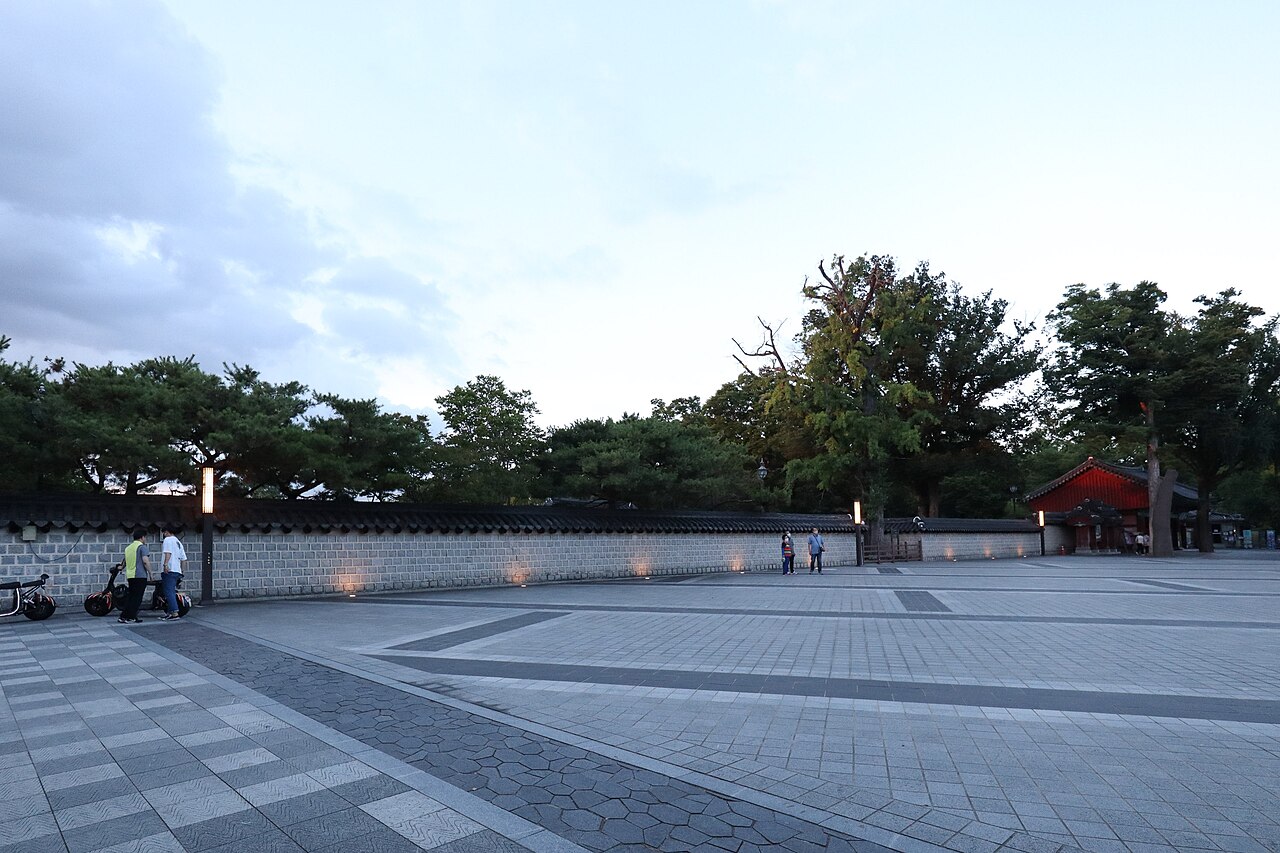
Jeonju Gyeonggijeon Shrine, what kind of place is it?
Surprisingly, many people just enjoy the street food in the Hanok Village and walk right past it.
However, if you take a little moment of leisure and step inside, a completely different world unfolds.
Gyeonggijeon Shrine is a historic site built in 1410—that’s the 10th year of King Taejong’s reign—to enshrine the royal portrait (어진, Eojin) of King Taejo, the founder of Joseon.
Doesn’t the name alone carry the weight of long years?
> It is a space that holds the traces of history while offering a place for a stroll that couldn’t possibly be better.
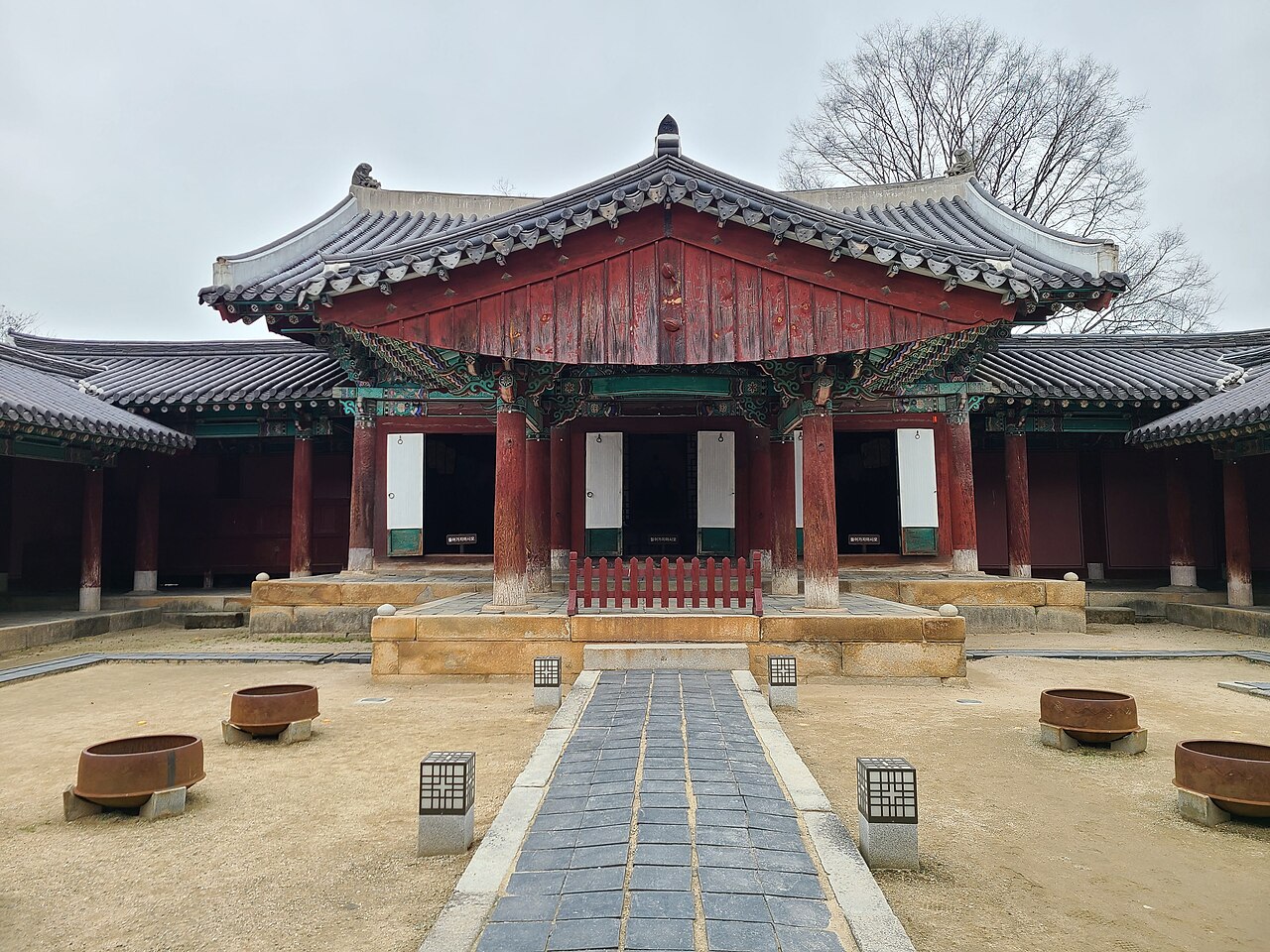
Q. What is enshrined in the main hall (Jeongjeon) of Gyeonggijeon Shrine?
A. A replica of King Taejo’s royal portrait is enshrined in the main hall, while the original is housed in the Royal Portrait Museum located within the grounds.
⭐ 4.9 · 10-min walk to Jeonju Hanok Village
Nosong Mansion · Villa · Village
Did you know the Jeonju Sago archives, which protected the Annals of the Joseon Dynasty, are right here?
This is actually the point that surprises quite a few people.
As you leisurely wander through the grounds, you can see the Jeonju Sago archives—where the Annals of the Joseon Dynasty were stored—with your own eyes.
Did you know that during the Japanese invasions of Korea (Imjin War), only the Annals kept in the Jeonju Sago survived?
Just standing at that precious historical site gave me a rather extraordinary feeling.
Take a quiet walk along the path winding around the building.
It feels like your mind, which was once cluttered, clears right up.
– View the portrait replica in the main hall
– Explore the Jeonju Sago archives and reflect on historical significance
– Enjoy a leisurely stroll through the quiet grounds
Do you know the green bamboo forest path, a famous Instagram photo spot?
While it’s a historical site, it’s also famous as a great photo location.
In particular, if you head deeper into the grounds, a forest path appears with fresh, vibrant bamboo stretching out on both sides.
The sunlight pours through the bamboo leaves, and the scenery is truly spectacular.
The rustling sound of the bamboo blowing in the breeze is simply top-notch.
If you take photos here, no matter how you snap them, you’ll get an amazing shot for your social media.
Unfortunately, crowds can gather on weekends or during peak season, so I quietly recommend visiting a bit earlier in the day.
What are some nearby attractions worth visiting together?
There are simply too many charming places nearby to just see Gyeonggijeon Shrine and head back.
Its location right in the center of Taejo-ro in the Hanok Village makes planning your route super convenient.
Right across the street sits the exotic and beautiful Jeondong Catholic Church.
Take just a few more steps and you can wander through every nook and cranny of Jeonju Hanok Village.
It’s just right for tying it together with Pungnammun Gate for a half-day or full-day course.
– Jeondong Catholic Church: An exotic church within immediate walking distance
– Jeonju Hanok Village: Streets filled with traditional hanok houses and various street foods
– Pungnammun Gate: A gate where you can feel the traces of Joseon Dynasty fortress walls
> Travel always gifts us with new discoveries, but sometimes the breathing room we find in these deeply rooted spaces lingers in our memory much longer.
Since detailed info like exact admission fees or operating hours can change slightly from time to time, we recommend double-checking through official announcements or a Naver search before you visit.
This weekend, how about taking a light trip to Jeonju, where tranquil stone-wall paths and a bamboo forest are waiting for you?
Frequently Asked Questions
Q. Where is Jeonju Gyeonggijeon Shrine located?
A. It is located on Taejo-ro inside Jeonju Hanok Village, making it very easy to find.
Q. Can I see the actual royal portrait inside Gyeonggijeon Shrine?
A. A replica of the portrait is enshrined in the main hall, while the original is kept in the Royal Portrait Museum within the grounds.
Q. What are some nearby courses good to visit together?
A. Jeondong Catholic Church is right out front, and the Hanok Village streets and Pungnammun Gate are close by, making them great to explore together.
In Short
Located on Taejo-ro in Jeonju Hanok Village, Gyeonggijeon Shrine is a historic site established in 1410 to enshrine the royal portrait of King Taejo.
Featuring a main hall, the Royal Portrait Museum, the Jeonju Sago archives that stored the Annals of the Joseon Dynasty, and a beautiful bamboo forest path, it is a must-visit Jeonju course ideal for enjoying a tranquil walk and a historical journey all at once.