It’s a day when a gentle breeze blowing along the cozy stone-wall paths carries a subtle, vintage fragrance.
There’s a question that visitors coming on an outing to Jeonju ask me the most.
They’re always curious about where they should go first to truly feel the depth of history.
So today, I’m going to share a Jeonju historical travel course where you can comfortably stroll wherever your feet take you and encounter the breath of the Joseon Dynasty.
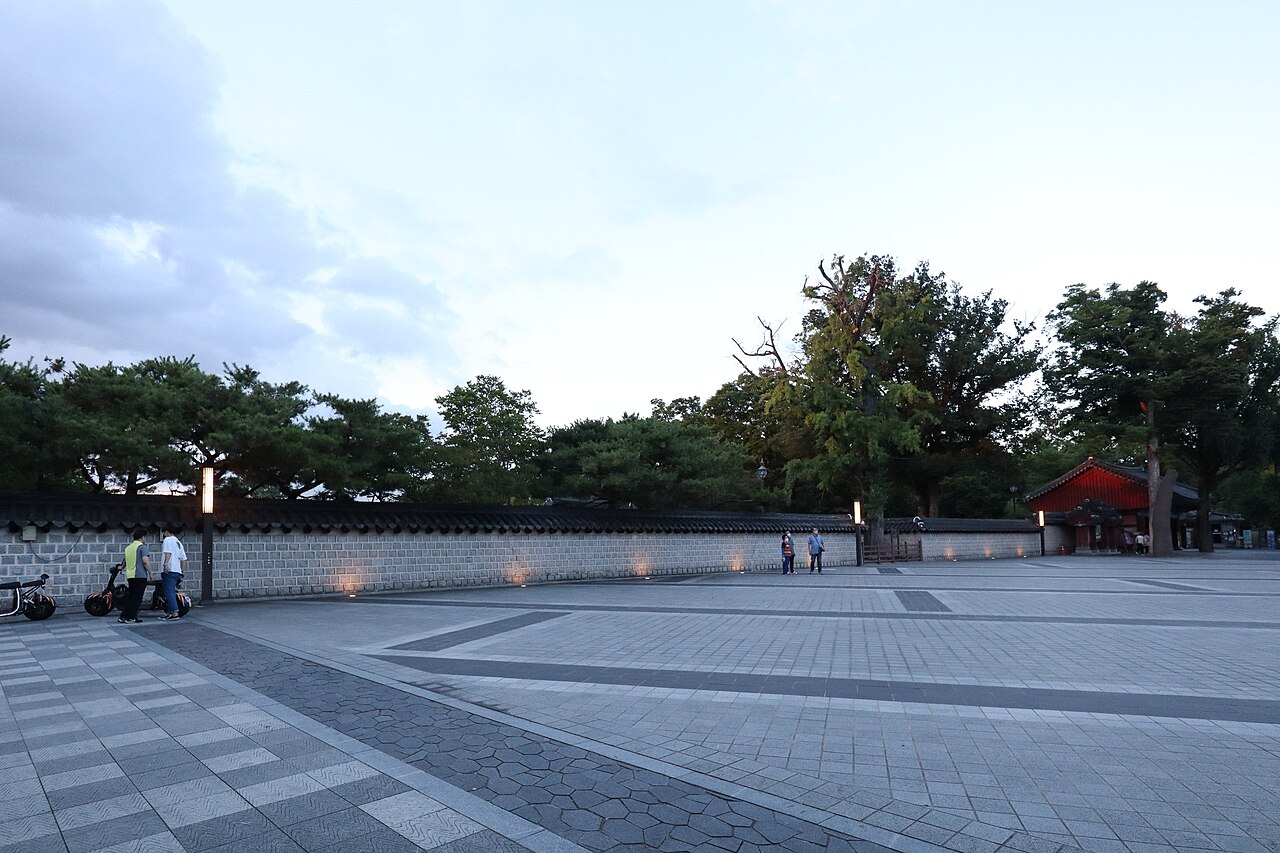
Gyeonggijeon Shrine and Jeondong Catholic Church, Where Joseon’s History Breathes
As you walk down Taejo-ro in Jeonju Hanok Village, there’s one place that catches your eye first.
It’s Gyeonggijeon Shrine, built in 1410 to enshrine the royal portrait (eojin) of King Taejo Yi Seong-gye.
The moment you step into the grounds, you experience this magical feeling where your cluttered mind instantly calms down.
As you slowly stroll through the spacious grounds, you’ll come across a lush bamboo forest path, which is another fantastic spot to snap some photos.
> Just walking while catching the sunlight filtering through the tranquil bamboo forest is healing in itself.
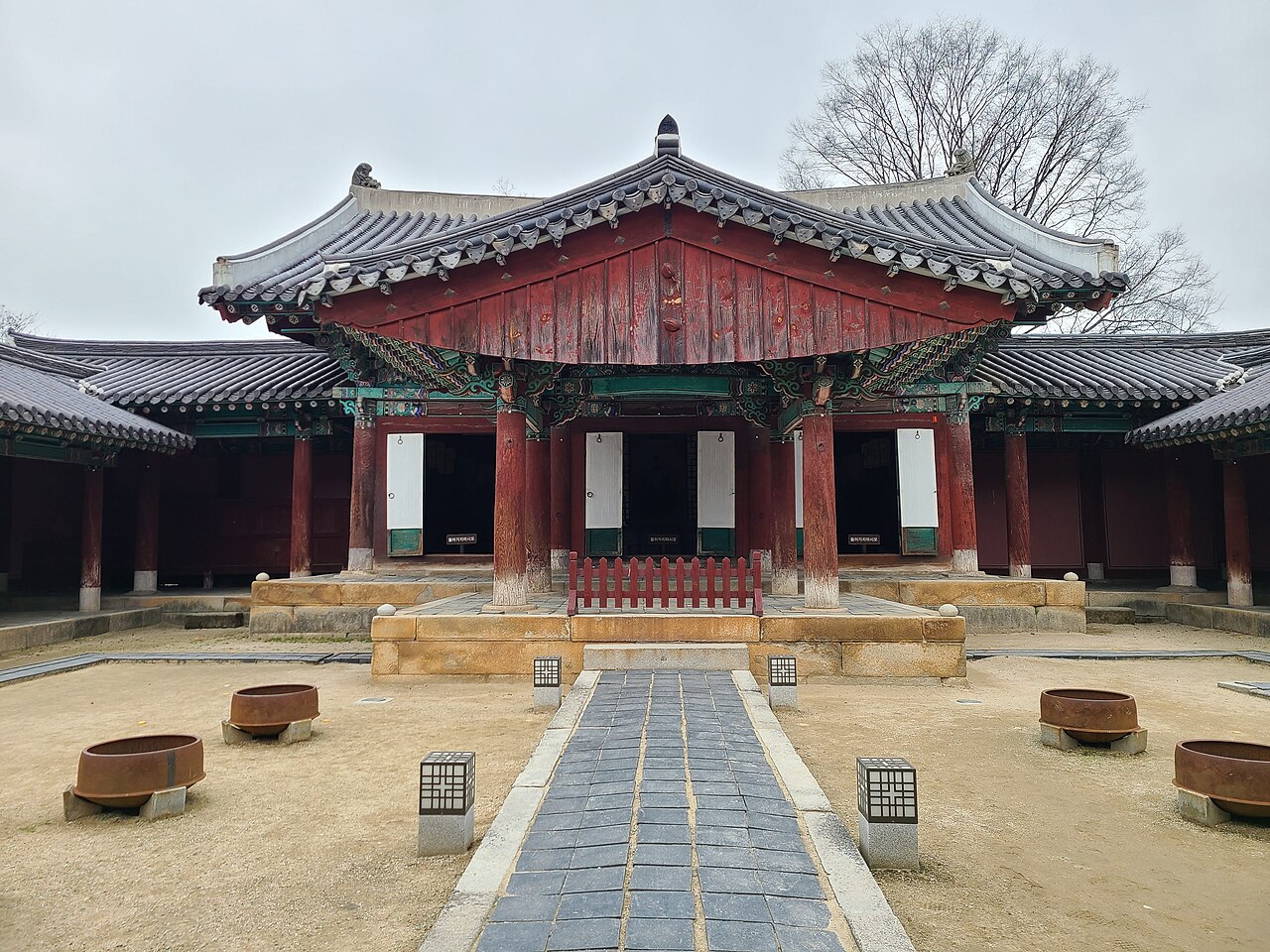
The main shrine hall houses a replica of the royal portrait, while the original is kept in the Royal Portrait Museum on the grounds.
Jeonjusago Archives, which used to store the Annals of the Joseon Dynasty, is also located right on the grounds, so be sure not to miss it.
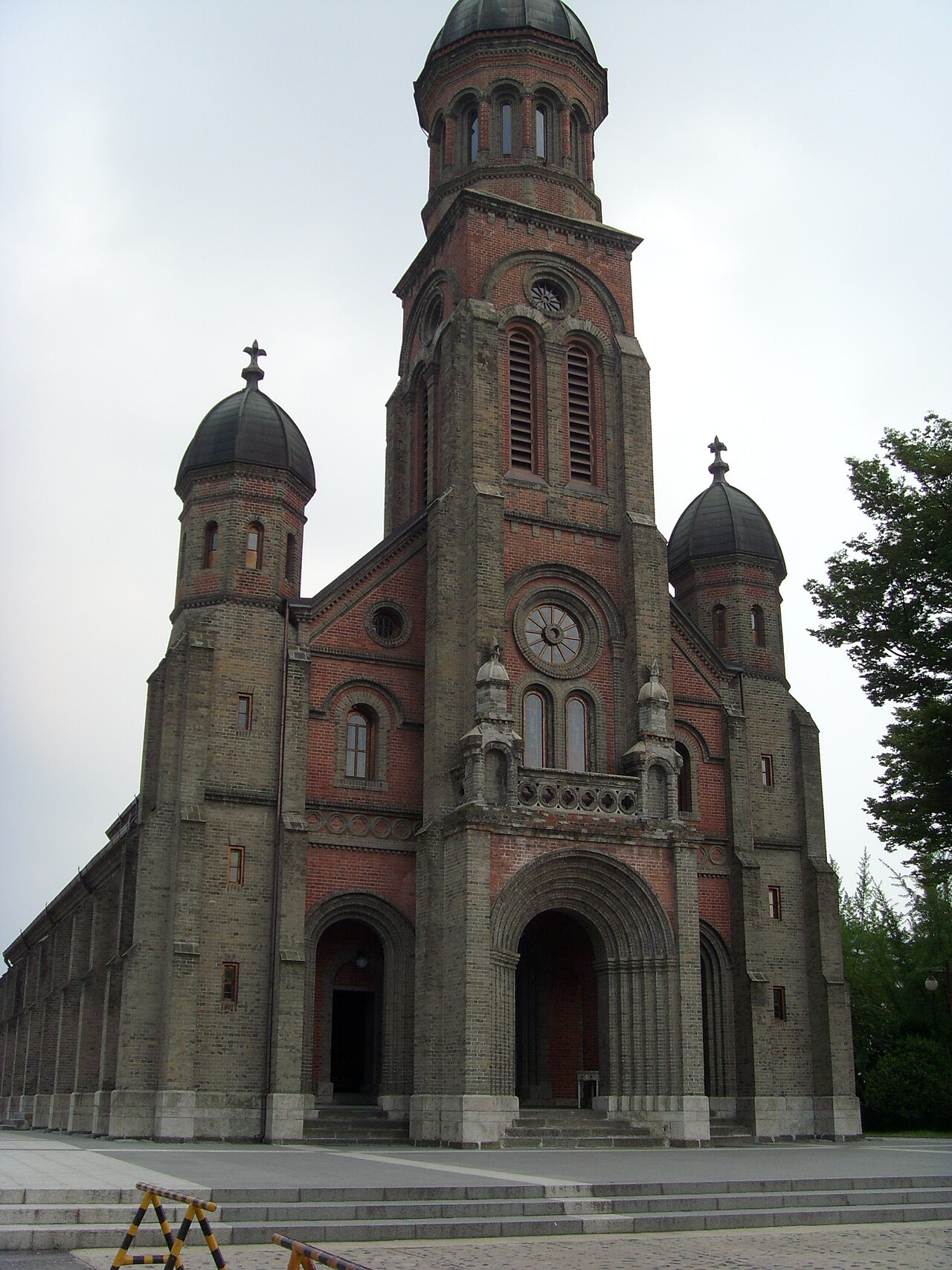
Right across from Gyeonggijeon Shrine at the entrance of the Hanok Village stands the beautiful red-brick Jeondong Catholic Church.
It’s a historic site built on the grounds outside Pungnammun Gate where Korea’s first Catholic martyrs, Yun Ji-chung and Kwon Sang-yeon, were martyred.
The site was secured in 1891 and the exterior was completed in 1914, designed by Father Poinet, who also designed Myeongdong Cathedral.
Its red exterior, blending Byzantine and Romanesque architectural styles, looks both exotic and truly graceful.
Especially after sunset, when the night lights turn on, the church’s appearance shines with an even more classic elegance.
However, since it’s a church where masses are still held today, you need to walk quietly when touring the interior.
Traces of Old City Gates and Government Offices Encountered in the City Center
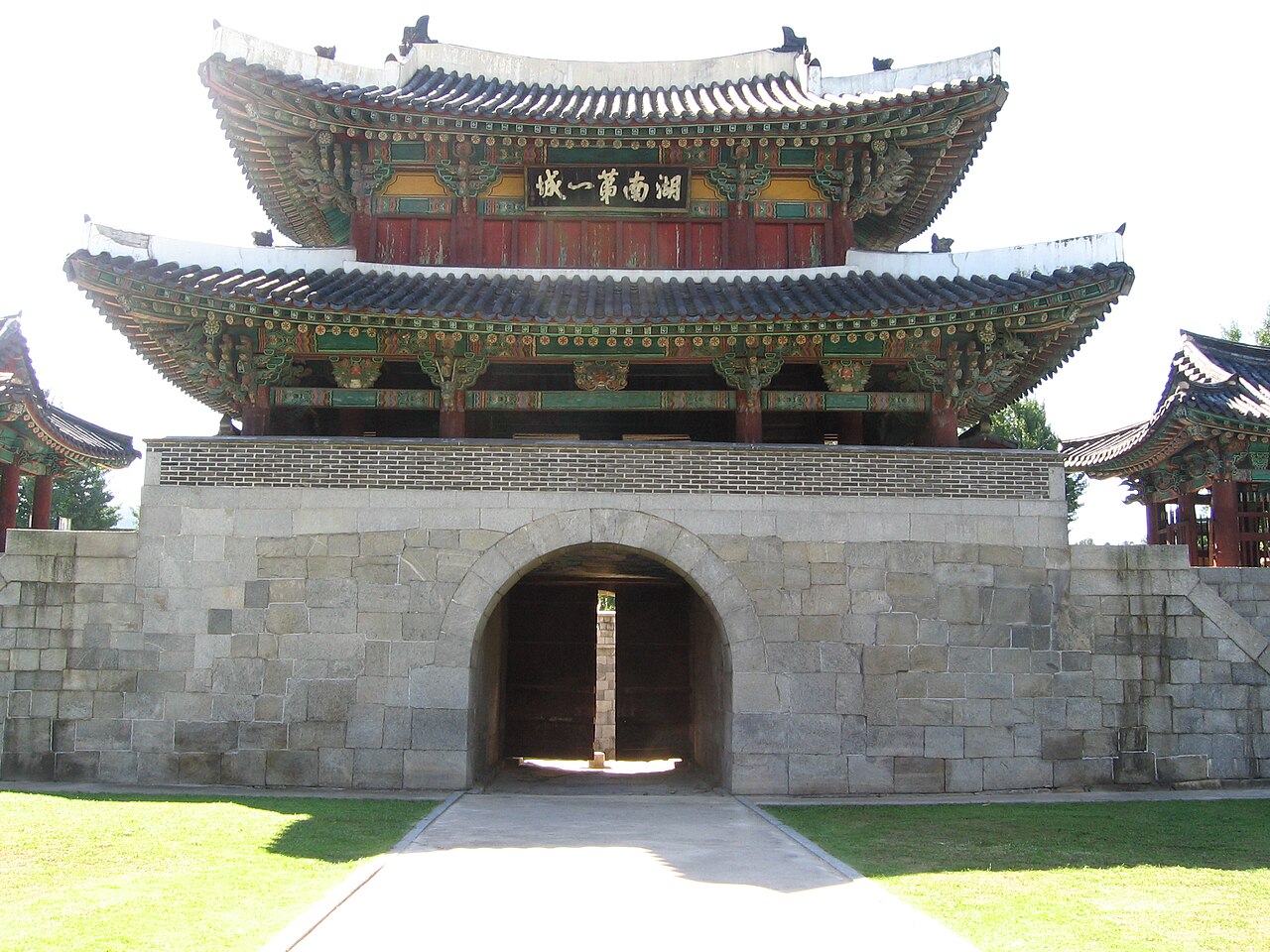
After finishing your tour of the church and taking just a few steps, you’ll encounter Pungnammun Gate, standing somewhat forlornly in the rotary at the Hanok Village entrance.
It is the southern gate of the old Jeonjubu Fortress and has been designated as a treasure.
The appearance reconstructed in 1768 has been passed down just like that to this day.
Most of the surrounding fortress walls have disappeared, leaving only the gate standing as if leaning in the middle of a downtown rotary, which leaves a peculiar lingering resonance.
Q. What should I keep in mind when looking around Pungnammun Gate?
A. Because it is located right in the middle of a downtown rotary, there is a lot of surrounding car traffic, so you need to cross with caution for your safety.
⭐ 4.9 · 10-min walk to Jeonju Hanok Village
Nosong Mansion · Villa · Village
The next place to direct your footsteps is Jeolla Gamyeong in Jungang-dong, Wansan-gu.
It was the administrative office of the governor who ruled Jeolla-do during the Joseon Dynasty—a crucially important place comparable to today’s Provincial Office.
The old government office buildings have been neatly restored and opened to the general public, allowing you to vividly glimpse the appearance of the administrative center of the Joseon Dynasty.
The site is larger than expected and the buildings are well-aligned, making it wonderful to leisurely stroll around and explore.
An Old Welcoming Spot and a Vibrant Alley Stroll
Your route will flow just right if you set the final stretch of your Jeonju historical travel course to Jeonju Gaeksa (Pungpaejigwan), located in Jungang-dong, Wansan-gu.
It is designated as a treasure as a *gaeksa* (guesthouse) where royal envoys and guests stayed during the Joseon Dynasty.
The name ‘Pungpaejigwan’ written on the building’s signboard holds the deep meaning of being the birthplace of the Joseon royal family.
The alleys surrounding this place connect to the so-called ‘Gaekridan-gil,’ which is packed with pretty cafes and delicious restaurants.
Since it’s a course that naturally transitions into a vibrant modern street after calmly exploring historical ruins, there’s no time to get bored.
– Wear comfortable shoes: Most historical sites have walking-friendly paths, but the area is large, so comfortable shoes are a must.
– Route planning tips: Group Gyeonggijeon Shrine, Jeondong Catholic Church, and Pungnammun Gate near the Hanok Village to see first, then walk toward Jungang-dong to tour Jeolla Gamyeong and Gaeksa so you don’t waste any travel time.
– Mind your manners: Jeondong Catholic Church is a religious facility where actual masses are held, so consideration to tour quietly is required.
Q. Roughly how long does it take to tour the historical sites?
A. If you include the time to carefully walk around each place and move between them, budgeting anywhere from half a day to a full day will give you plenty of leisure.
To be completely honest, my legs did hurt a little trying to walk through all these places in a single day.
However, the fun of discovering pretty scenery hidden along the roadsides was so rewarding that the joy far outweighed the tiredness.
Exact operating hours and closing schedules can change depending on the season, so checking the official guidance before you set out will make your trip even more secure.
I hope the stories shared today bring a little flutter of excitement to your steps.
I wish you a wonderful time soaking up Jeonju’s deep charm as you look around at a leisurely pace.
If you have any questions, please feel free to leave a note below anytime.
Frequently Asked Questions
Q. What are the must-see highlights inside Gyeonggijeon Shrine?
A. The representative viewing points are the main hall housing King Taejo Yi Seong-gye’s royal portrait, Jeonjusago Archives which stored the Annals of the Joseon Dynasty, and the beautiful bamboo forest path known as a photo hotspot.
Q. Are there any special precautions when touring Jeondong Catholic Church?
A. Since Jeondong Catholic Church is a religious facility where actual masses are still held, please refrain from loud noises and tour quietly when viewing the interior.
Q. What is a good route to tour the introduced historical sites?
A. The most natural walking route is to first tour Jeondong Catholic Church, Gyeonggijeon Shrine, and Pungnammun Gate at the entrance of the Hanok Village, then move toward Jungang-dong to visit Jeolla Gamyeong and Jeonju Gaeksa (Pungpaejigwan) in order.
To Summarize
This is a Jeonju historical travel course guide where you can richly enjoy exploring Gyeonggijeon Shrine, Jeondong Catholic Church, Pungnammun Gate, Jeolla Gamyeong, and Jeonju Gaeksa (Pungpaejigwan) one by one right in the heart of the city.