It’s around the time when the afternoon sunlight slants gently over the tile-roofed Hanok houses.
Shadows of traditional roofs stretch long across the alleys, and somewhere, you can hear the soft rustle of a hanbok skirt brushing past.
Jeonju’s true charm lies in its slow pace. 🐢
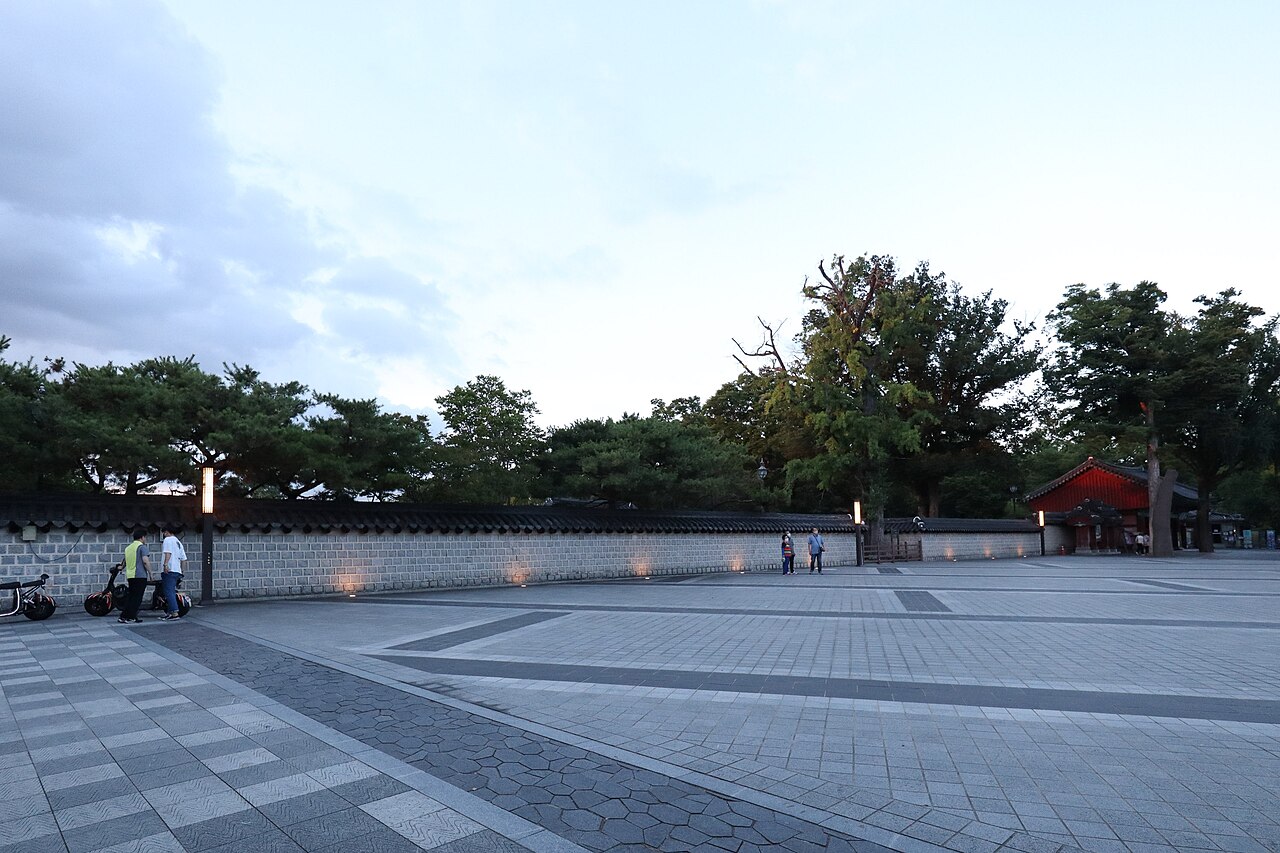
A 1-night, 2-day trip is just about right.
I’ve put together an itinerary where you take it slow around the Hanok Village on the first day, and explore the city’s waterfronts on the next.
Jeonju 1-Night 2-Day Itinerary: Day 1 Starts in the Hanok Village
What kind of place is the Hanok Village?
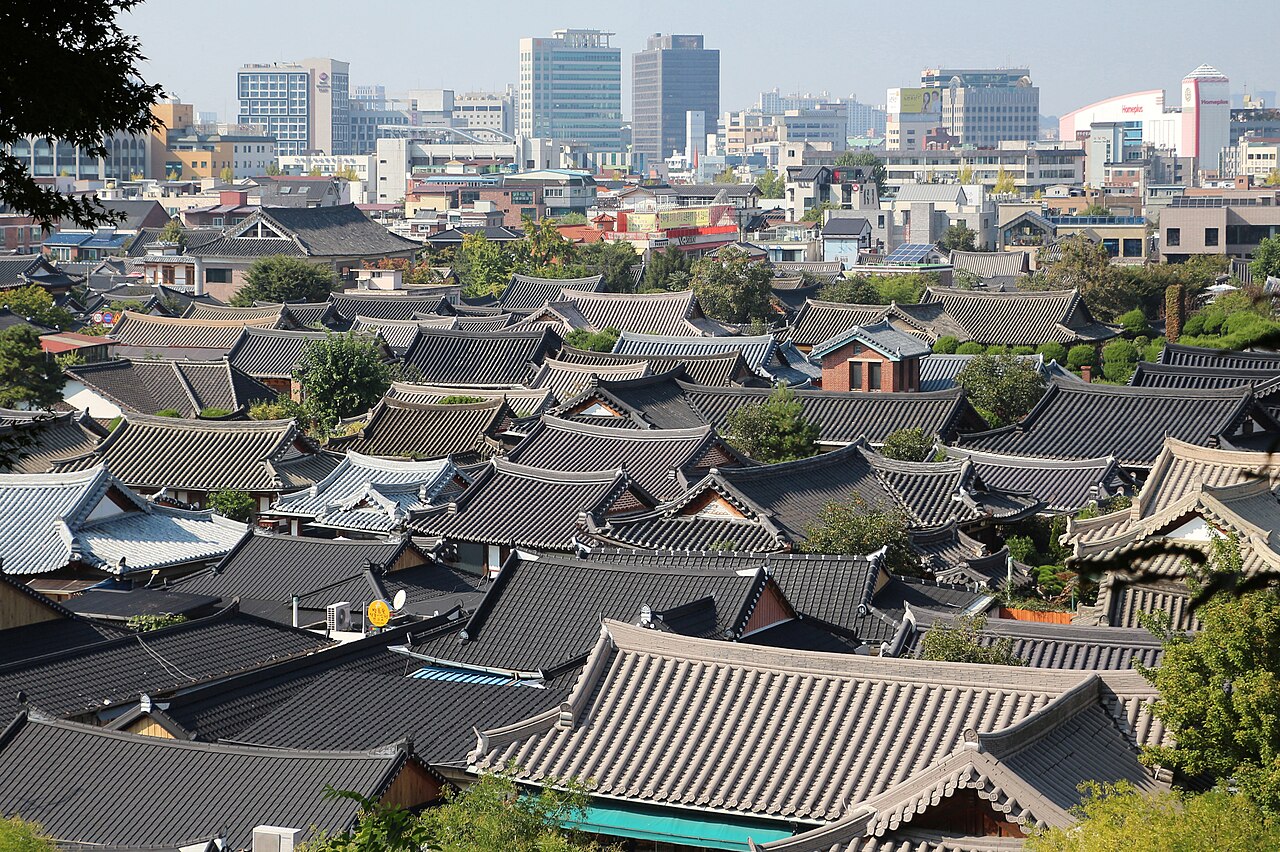
It’s Jeonju’s signature travel destination where hundreds of traditional Korean houses (hanoks) cluster together in Pungnam-dong and Gyo-dong, Wansan-gu.
In English, it’s called Jeonju Hanok Village.
Even though it’s right in the middle of the city, the atmosphere shifts completely the moment you step into the alleys.
As you walk along streets like Taejo-ro and Eunhaeng-ro, key spots like Gyeonggijeon Shrine, Jeondong Catholic Church, and Omokdae Pavilion naturally connect in one smooth route.
> Rather than heading to a specific destination, just wandering the alleys of the Hanok Village *is* the main course.
Q. Do I absolutely have to wear a hanbok in the Hanok Village?
A. Not necessarily!
However, lots of people rent hanboks to take photos in the alleys, so if pictures are your goal, it’s definitely worth a try. ✨
It’s a good idea to check rental prices and methods before you visit.
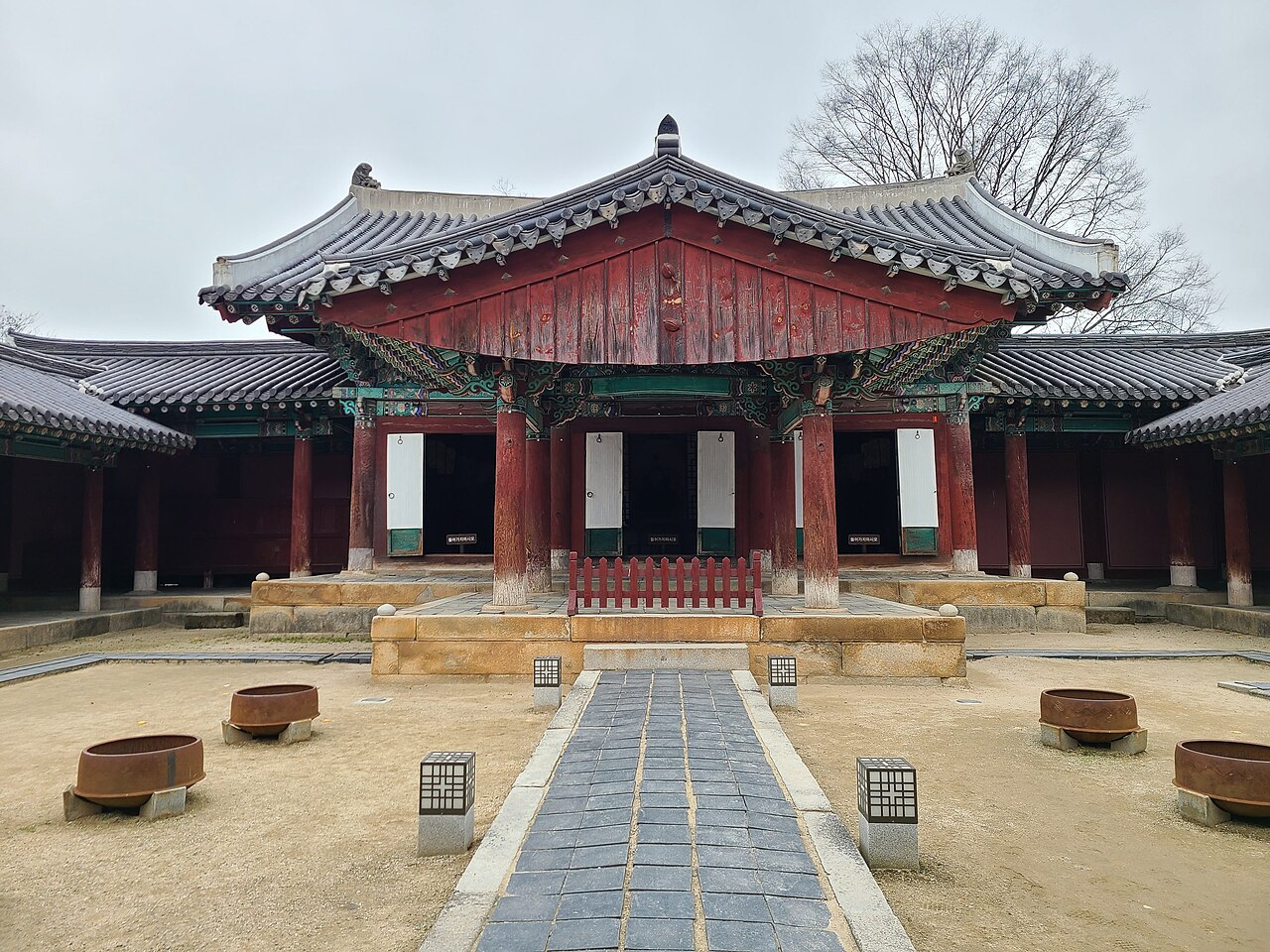
Gyeonggijeon Shrine: Start by walking the bamboo forest path
Located on Taejo-ro, Gyeonggijeon Shrine (Gyeonggijeon Shrine) was built in 1410 (the 10th year of King Taejong’s reign) to enshrine the portrait (eojin) of King Taejo, the founder of the Joseon Dynasty.
It’s also a designated historic site.
The main hall houses a replica of the king’s portrait, while the original is kept in the Royal Portrait Museum on the grounds.
The portrait currently on display is known to have been repainted and enshrined in 1872.
The Jeonju Sago, where the Annals of the Joseon Dynasty were historically stored, is also located within the grounds.
Honestly, the bamboo forest path left a stronger impression on me than the buildings.
When the wind blows, you can hear the rustling of the leaves. 🍃
The grounds are quite spacious, making it a wonderful place for a leisurely stroll.
Jeondong Catholic Church: Best at dusk
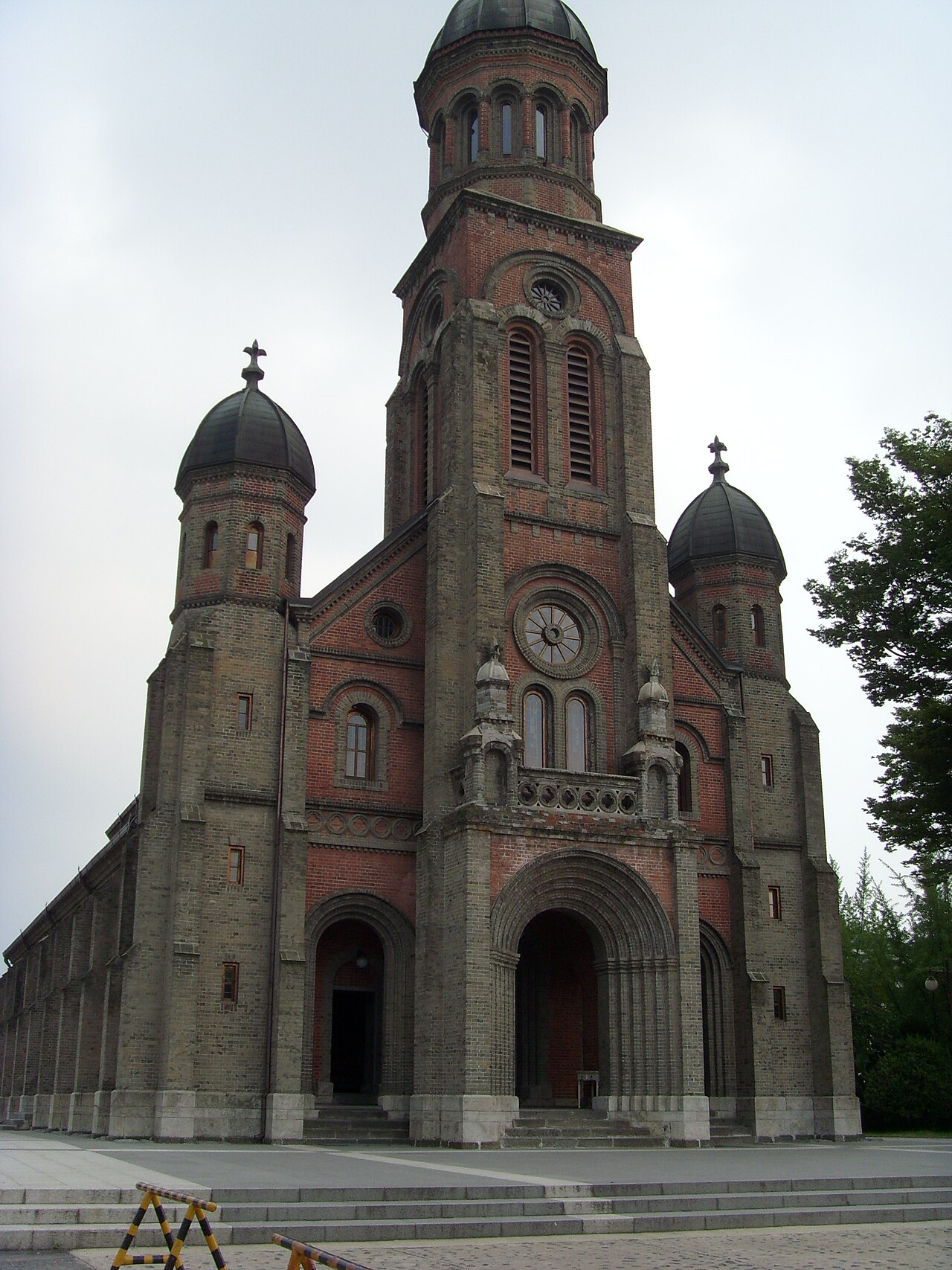
It sits right at the entrance of the Hanok Village, across from Pungnammun Gate.
Its English name is Jeondong Catholic Church.
This church was built on the grounds outside Pungnammun Gate where Korea’s very first Catholic martyrs, Yun Ji-chung and Gwon Sang-yeon, were martyred.
This is also a historic site.
Father Bauduen secured the land in 1891, construction began in 1908, and the exterior was completed in 1914, designed by Father Poisnel, who also designed Myeongdong Cathedral.
It features a striking red brick exterior blending Byzantine and Romanesque architectural styles.
It’s pretty during the day, but completely transforms once the night lights turn on. 💡
Since it’s an active church where mass is held, please keep your voice down when viewing the interior.
This is one thing I really hope visitors respect.
Omokdae Pavilion and exploring the alleys
After checking out Gyeonggijeon Shrine and Jeondong Catholic Church, you can continue your walk up to Omokdae Pavilion.
If you only follow a map in the Hanok Village, you’ll miss out on a lot of hidden alleys, so I strongly recommend turning into the side streets one by one.
Spend your evening in Jeonju Gaekridan-gil
This is a trendy street packed with cafes, restaurants, and cute lifestyle shops in the alleys surrounding Jeonju Gaeksa (the old guesthouse site).
In English, it’s known as Gaekridan-gil.
Fun name, right?
It was coined by combining ‘Gaeksa’ with Seoul’s famous ‘Gyeongridan-gil’.
While the Hanok Village leans traditional, this area has a much more modern, trendy vibe.
It feels very natural to spend the day walking in a hanbok and wind down your evening at an alleyway cafe or restaurant. ☕️
I should also mention a slight downside.
It can get pretty crowded with people flocking to the shops on weekend evenings, so heading out slightly before peak dining hours will make things much more comfortable.
– Day 1 Route: Stroll through Hanok Village in the order of Gyeonggijeon Shrine, Jeondong Catholic Church, and Omokdae Pavilion
– View the exterior of Jeondong Catholic Church at dusk
– Dinner and cafe time at Gaekridan-gil
– Operating hours vary by shop, so check before visiting
Day 2: Waterfront strolls at Deokjin Park and Ajung Lake
⭐ 4.9 · 10-min walk to Jeonju Hanok Village
Nosong Mansion · Villa · Village
Deokjin Park is best in the morning
This is an urban park located in Deokjin-dong, Deokjin-gu.
Its English name is Deokjin Park.
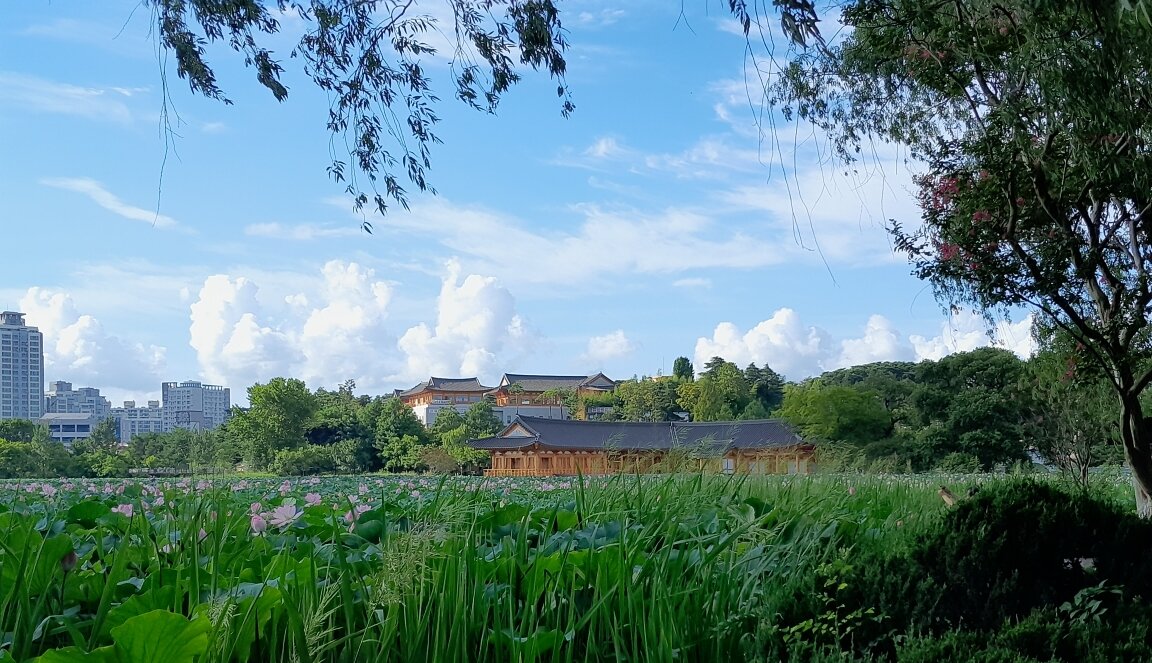
It encompasses a large body of water known as Deokjin Pond.
Lotus flowers usually bloom from late June through August, and people say they look their absolute best in the early morning. 🪷
So if you’re visiting during this season, I recommend dedicating your second morning to Deokjin Park.
Right on the pond sits Yeonhwajeong Library, a traditional Korean-style hanok library.
Because it floats right on the water, it’s a fantastic spot to snap a memorable photo.
Q. Is Deokjin Park not worth visiting if it’s not lotus season?
A. Not at all!
The stroll around the large pond itself is wonderful.
However, since lotus flowers depend heavily on timing, be sure to check the blooming status before you visit.
Ajung Lake after the sun goes down
This lake is located in Ajung-ri, Wansan-gu.
In English, it’s called Ajung Lake.
A wooden deck walking trail stretches all along the shoreline.
At night, lights illuminate the path, making it a popular course for a nighttime stroll. ✨
Adding this as your final travel stop is a great way to quietly wrap up your day.
> Ending your trip with slow, unhurried steps suits Jeonju best.
Jeonju 1-Night 2-Day Itinerary Practical Info
– Day 1: Hanok Village (Gyeonggijeon Shrine, Jeondong Catholic Church, Omokdae Pavilion), Gaekridan-gil
– Day 2: Deokjin Park, Ajung Lake
– The Hanok Village area is entirely a walking course
– Deokjin Park and Ajung Lake are located away from the Hanok Village, so plan your transportation in advance
– Fees, operating hours, closing days, and event schedules are subject to change, so check official notices before visiting
– Since I can’t guarantee parking availability or exact usage methods, it’s best to double-check on Naver
Q. Is 1 night and 2 days enough?
A. It’s plenty of time to leisurely take in the two main highlights: the Hanok Village and the city’s waterfronts.
If you try to pack in too much, cutting back a bit actually leaves you much more satisfied.
If you liked this post, be sure to save it, and let me know in the comments which spot was your absolute favorite after you visit!
I’m genuinely curious. 😊
Frequently Asked Questions Before Booking
Q. How should I plan a Jeonju 1-night 2-day itinerary?
A. A smooth flow is walking through Gyeonggijeon Shrine, Jeondong Catholic Church, and Omokdae Pavilion in the Hanok Village on Day 1, followed by an evening at Gaekridan-gil. Spend Day 2 exploring Deokjin Park and Ajung Lake.
Q. When is the best time to see the lotus flowers at Deokjin Park?
A. Lotus flowers typically bloom from late June through August and are known to look their best in the early morning.
Check the exact blooming status before you visit.
Q. Can I go inside Jeondong Catholic Church too?
A. Since it’s an active church holding mass, you must keep quiet when viewing the interior.
Check official notices for visitor hours beforehand.
Q. When is the best time to visit Ajung Lake?
A. Many people visit at night when the lights turn on for a nightscape walk.
I recommend walking the wooden deck trail after the sun goes down.
Summary
A 1-night, 2-day trip to Jeonju is best enjoyed at a slow, walking pace by planning Day 1 around the Hanok Village (Gyeonggijeon Shrine, Jeondong Catholic Church, Omokdae Pavilion) and Gaekridan-gil, and Day 2 around Deokjin Park and Ajung Lake.
Fees and operating hours are subject to change, so be sure to check before visiting.